


Permanent Magnetic Coupling vs. Fluid Coupling – Which One Suits Your Application?
2026-05-28 10:21Permanent Magnetic Coupling vs. Fluid Coupling – Which One Suits Your Application?
When selecting a power transmission solution for heavy industrial equipment, engineers often face a choice between permanent magnetic couplings and Fluid couplings. Both offer soft start and overload protection, but their operating principles and ideal applications differ significantly. This article compares Hydrodynamic couplings and magnetic couplings to help you decide which technology fits your crusher, conveyor, fan, or pump drive. Understanding the strengths of a Fluid coupling versus a magnetic alternative will ensure optimal reliability and efficiency.
How Each Technology Works
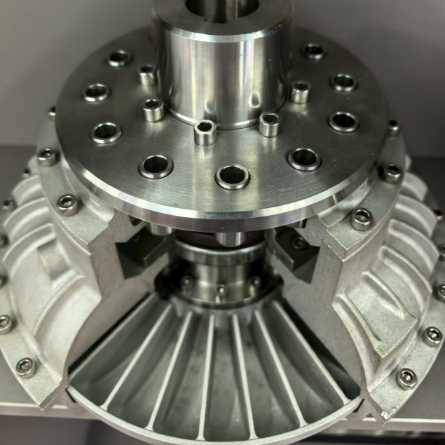
A Fluid coupling (also called a Hydrodynamic coupling) transmits torque through a liquid medium. The motor drives a pump wheel, which accelerates hydraulic fluid, and the fluid drives a turbine connected to the load. This creates a soft, shock‑absorbing connection with inherent torque limitation. In contrast, a permanent magnetic coupling uses magnetic fields across an air gap to transmit torque. There is no physical contact, but also no fluid medium. Both devices provide overload protection, but a Fluid coupling can also provide variable speed control (with a variable‑fill design) and is generally more tolerant of misalignment.
When to Choose a Fluid Coupling
Fluid couplings excel in high‑inertia applications such as belt conveyors, ball mills, and crushers. The fluid medium absorbs torsional vibrations and shock loads better than an air gap. For frequent start‑stop cycles, a Fluid coupling dissipates heat more effectively, especially with delayed‑fill designs. Additionally, Hydrodynamic couplings are available in constant‑fill (torque limiting) and variable‑fill (speed control) versions, offering greater flexibility. If your application requires long, controlled starts (e.g., overland conveyors) or operates in dusty, hot environments, a Fluid coupling is typically the robust, cost‑effective choice.
When a Permanent Magnetic Coupling May Be Preferred
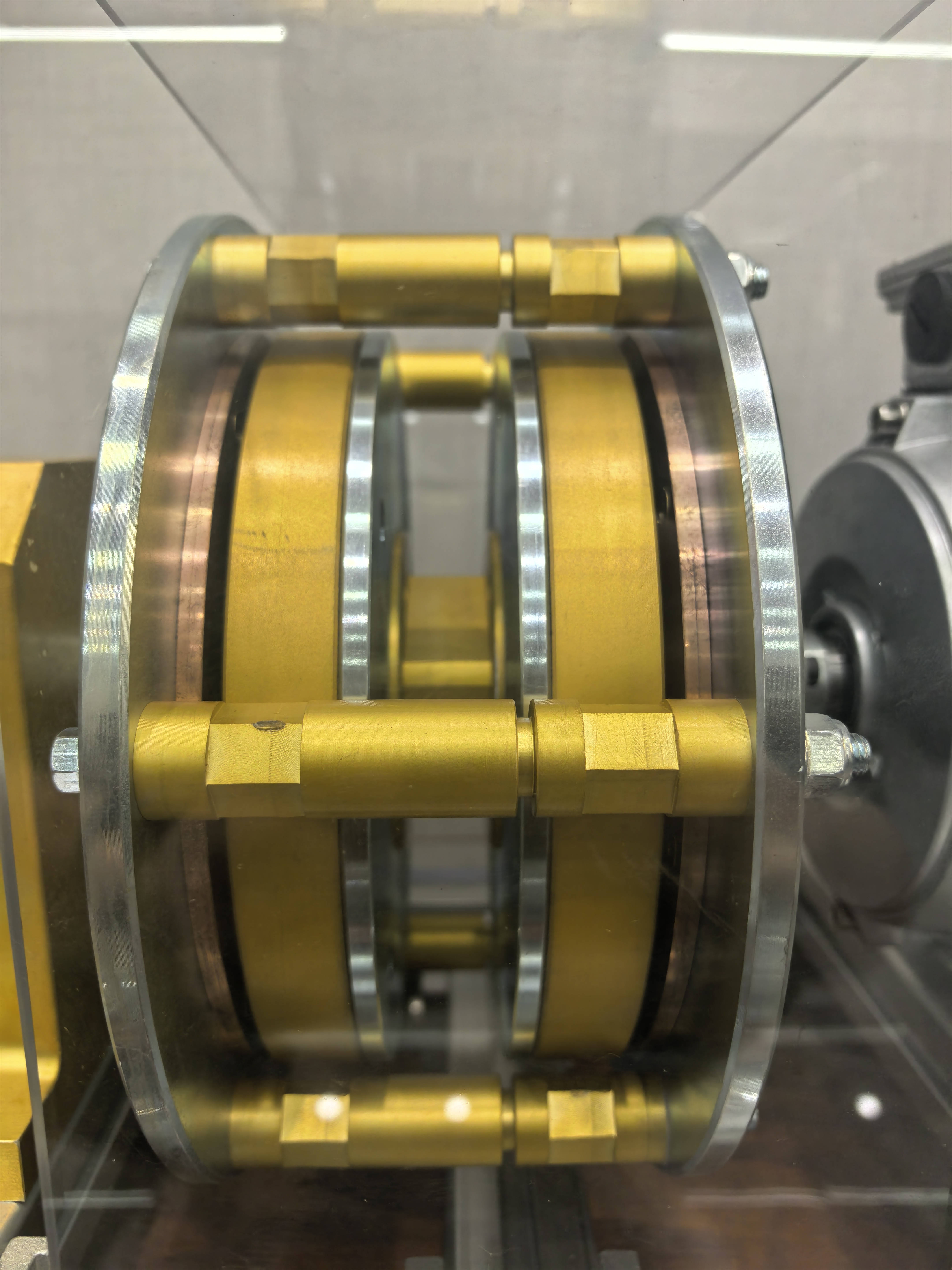
Permanent magnetic couplings are completely oil‑free and leak‑free, which is advantageous in food processing, chemical plants, or clean rooms. They also provide perfect torque limitation at a set air gap. However, they are generally more expensive at larger power ratings and cannot offer variable speed without complex actuators. For simple overload protection on a pump or fan where space is limited and no heat is generated from frequent starting, a magnetic coupling may be suitable. But for heavy mining or steel applications, the proven reliability of a Fluid coupling remains superior.
• Fluid coupling: Better shock absorption, variable speed option, heat dissipation, lower cost for high power.
• Magnetic coupling: Leak‑free, compact at low power, but limited torque range and higher initial cost.
Conclusion: Let Your Application Decide
Both technologies have their place. For demanding, high‑power, high‑inertia drives in mining, cement, and steel, a Fluid coupling is the time‑tested solution. For small, clean, low‑power applications where absolute leak prevention is critical, a permanent magnetic coupling may be considered. Dalian Mairuisheng specializes in Hydrodynamic couplings for heavy industry. Contact us for a free application review – we will recommend the best Fluid coupling model for your specific needs.